
Posted :
Modified :
Should I Repair or Replace My Roof? 7 Signs Morris County Homeowners Should Know
One missing shingle, a brown ceiling stain, or a leak around the chimney can leave a homeowner facing a surprisingly expensive-sounding question: does this roof need a repair, or is it time to replace the entire thing?
The symptom alone rarely provides the answer. A roof can leak because a small section of flashing failed, while another roof can develop the same-looking stain because the shingles across several slopes are approaching the end of their usable life. Replacing a healthy roof too early wastes money. Repeatedly patching a failing system can waste money as well.
At Morris County Roofing and Siding, the useful starting point is an evaluation of the roof as a complete system, not a decision based on age or a single photograph. Homeowners dealing with recurring damage can explore our roof replacement services before comparing the seven signs below.
The Big Difference: A Local Failure Versus a Failing Roof System
Think of a roof as more than the shingles visible from the driveway. Flashing directs water around chimneys and roof penetrations. Underlayment offers another layer of protection. Decking supports the roofing material. Valleys channel significant amounts of water. Ventilation and attic conditions can affect moisture and long-term performance.
A localized failure occurs when one of those elements needs attention but the remaining roof can still perform reliably. A system-wide problem occurs when deterioration is spread across sections, repairs cannot be made without disturbing brittle material, or different parts of the roof keep failing.
That distinction matters in Morris County, where heavy rain, fall winds, snow, and freeze-thaw conditions repeatedly test existing weak points. The objective is to select a solution appropriate to what an inspection actually reveals.
Call Now: 862-391-1619 or Get a Free Estimate Today. Owner responds to all inquiries promptly.
Seven Signs That Help Answer Repair or Replace
1. Damage Appears in One Area, or Throughout the Roof
If a storm lifts a few shingles from one slope and the rest of the roofing remains intact, replacing those shingles may be practical. The contractor still needs to check for damage to surrounding shingles and water-shedding details. But isolated damage is not, by itself, a reason for a new roof.
A different picture emerges when shingles are missing on multiple slopes, corners are lifting across the roof, or several sections show similar wear. When the problems are widespread, the value of repairing one area at a time declines. Ask to see photographs identifying the condition of each slope rather than accepting a conclusion based only on the worst spot.
2. Shingles Are Curling, Cracking, or Losing Their Protective Surface
As asphalt shingles age, some become brittle, cracked, curled, or heavily worn. Granules in gutters are not automatically an emergency, especially after installation or a storm, but extensive surface loss combined with curling and cracking warrants a closer look. The issue is not merely appearance. A brittle shingle may break when lifted to reach a fastener or neighboring damaged piece.
A good evaluation looks at how much roof surface shows distress and whether replacement shingles can be integrated without damaging material around them. That determines whether a repair is realistic rather than simply possible on paper.
3. Leaks Keep Returning, Especially in Different Rooms
One leak at a chimney can stem from a specific flashing failure. A second leak in another location a month later may be unrelated, but repeated problems should prompt a broader review. Track where water has appeared, when it happens, and which repairs have already been attempted.
The point where water stains the ceiling is not necessarily the entry point. Water may travel along framing or underlayment before appearing indoors. If an isolated repair addresses the actual cause and the rest of the roof is sound, replacement may be unnecessary. If multiple sections are failing, another patch may only postpone the decision.
4. Previous Repairs Are Becoming Frequent or Expensive
An occasional repair is part of owning a home. A sequence of repairs every time the weather turns severe is a different pattern. Keep invoices and ask what each repair corrected. Was the same defect fixed repeatedly? Were different components involved? Did each repair come with a clear explanation of the underlying failure?
Homeowners should compare the expected durability and cost of another repair with the investment of replacement, rather than compare only the immediate price. A lower initial bill does not necessarily mean lower total cost over the next several years.
Concerned that repairs are becoming a pattern? Get a Free Estimate Today or call 862-391-1619. The owner responds to all inquiries promptly.
5. The Roof Is Older, but Its Actual Condition Matters More Than the Birthday
There is no universal expiration date that tells every New Jersey homeowner to replace an asphalt shingle roof. Product type, installation quality, ventilation, shade, exposure, and weather history influence service life. An older roof can remain functional; a relatively young roof can develop serious defects.
Age becomes meaningful when combined with other findings. Is the roof in its later years and also losing shingles? Are leaks occurring where materials cannot be repaired reliably? Is the homeowner planning to replace it soon anyway? Ask the contractor to explain how the roof’s observed condition, not just its reported age, supports the recommendation.
6. Water Has Reached the Attic or Roof Decking
A small ceiling stain can hide a longer moisture path. In the attic, a qualified evaluator may look for water staining, wet insulation, darkened or softened decking, and moisture near penetrations or roof edges. One old stain does not prove ongoing leakage. Fresh moisture, recurring wet insulation, or deteriorated decking may indicate a problem that deserves more urgent attention.
When water has damaged underlying materials, the repair scope can change. A contractor should explain what can be assessed before work begins and what may only be visible after affected shingles or other materials are removed. Homeowners should understand how unexpected decking replacement would be documented and approved.
7. A Reliable Repair Is No Longer Practical
The decisive question is often not ‘Can someone patch this spot?’ but ‘Will that patch integrate dependably with the roof around it?’ Sometimes surrounding shingles are too brittle to manipulate, replacement materials cannot be incorporated properly, or the underlying issue involves several interconnected areas. In those cases, the repair may create the appearance of progress without restoring reliable protection.
Conversely, a roof with healthy surrounding material and a clearly identified defective flashing detail may benefit from a focused repair. The homeowner should be told what is being fixed and what the work is reasonably expected to accomplish.
What a Useful Roof Inspection Should Show You
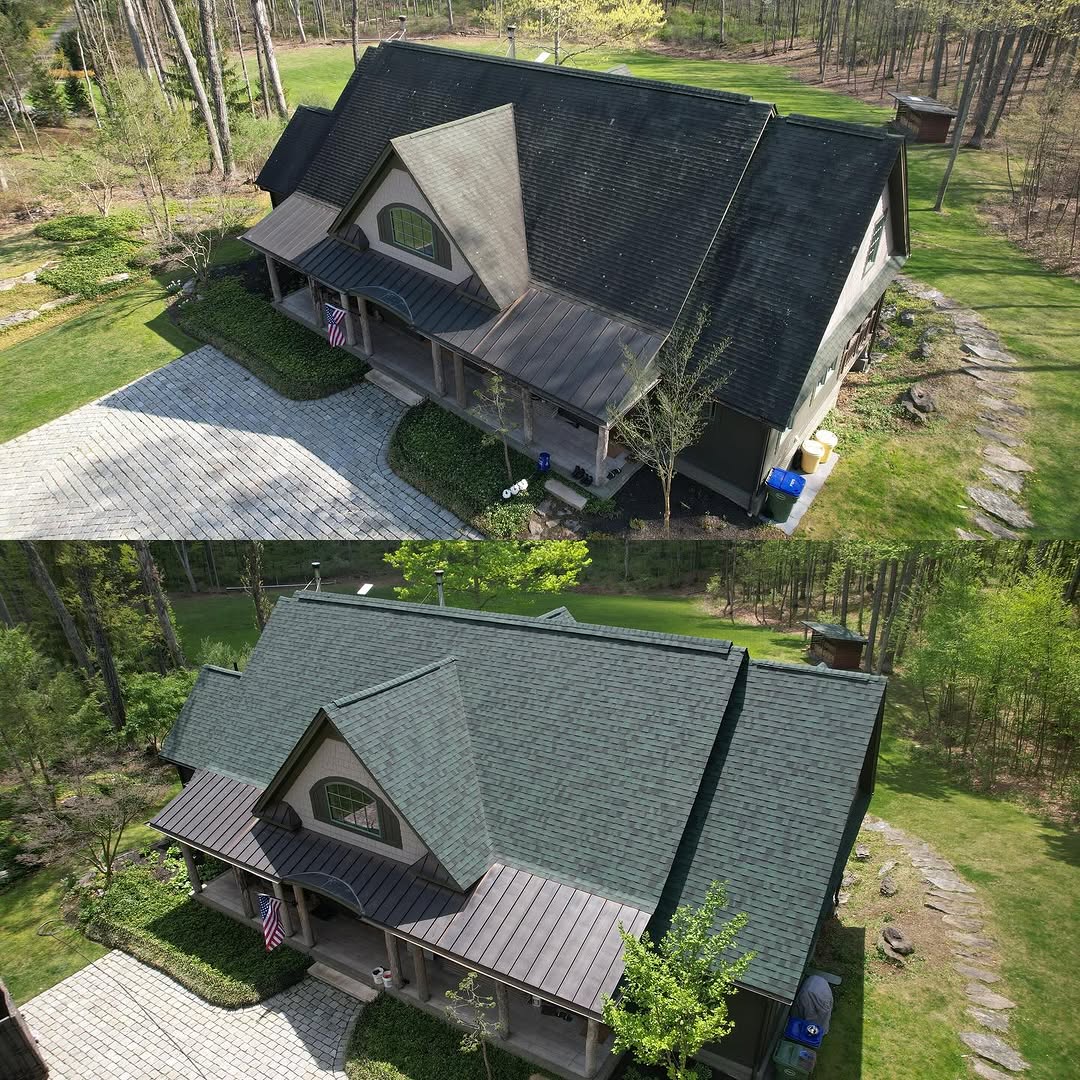
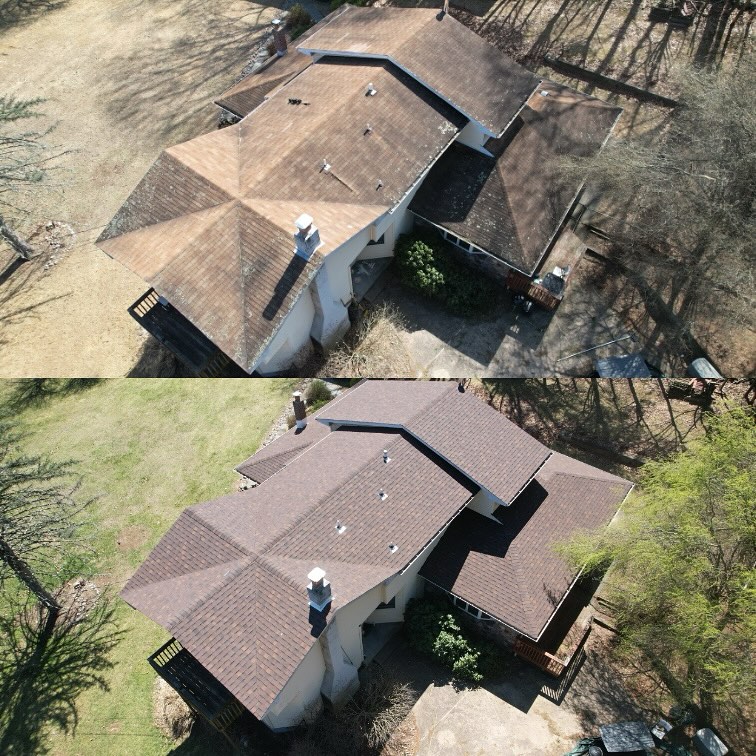
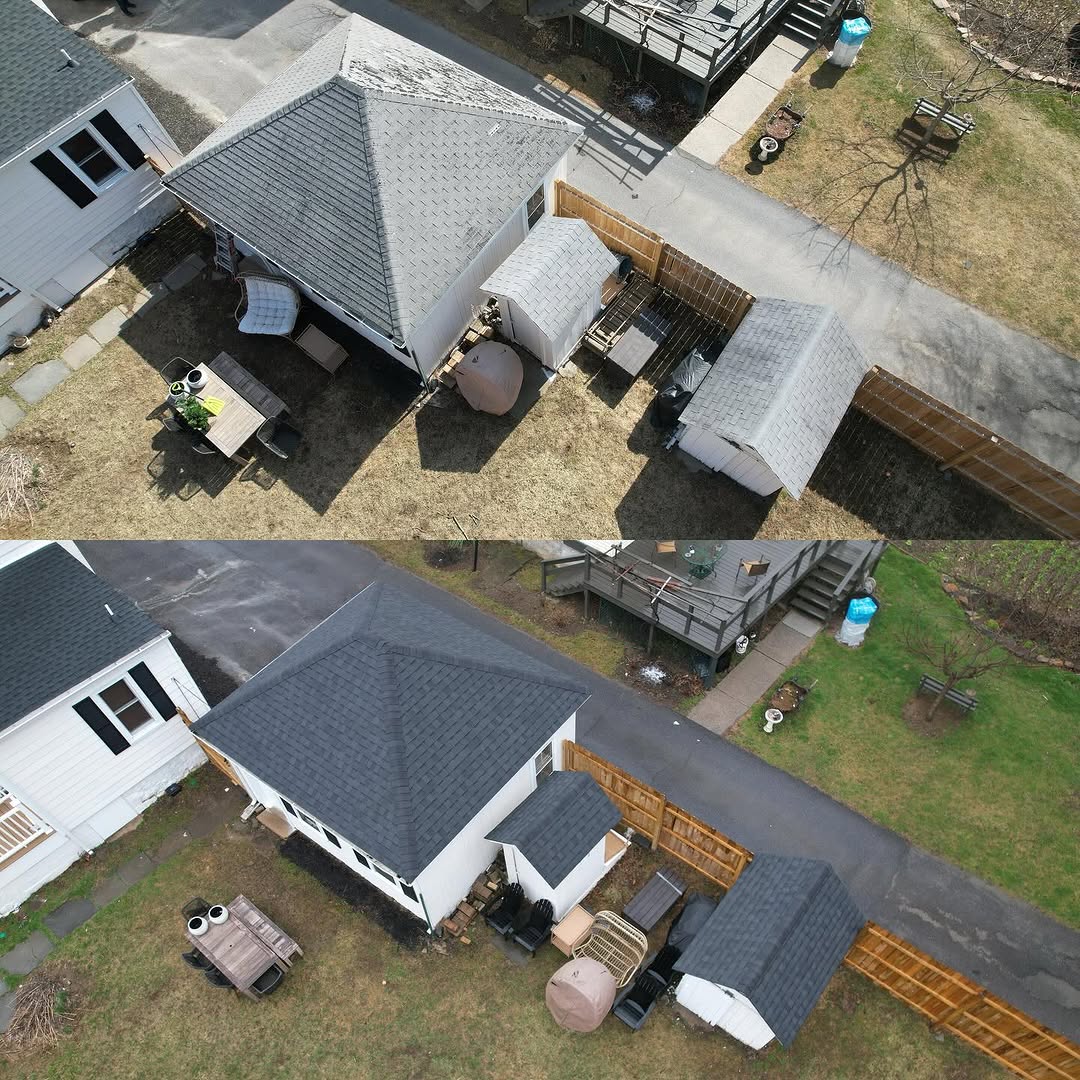
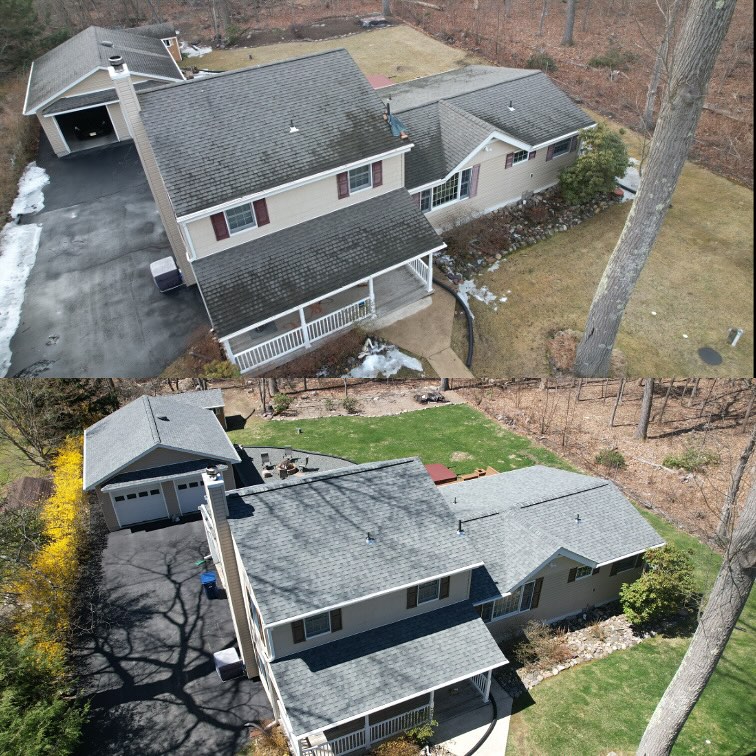
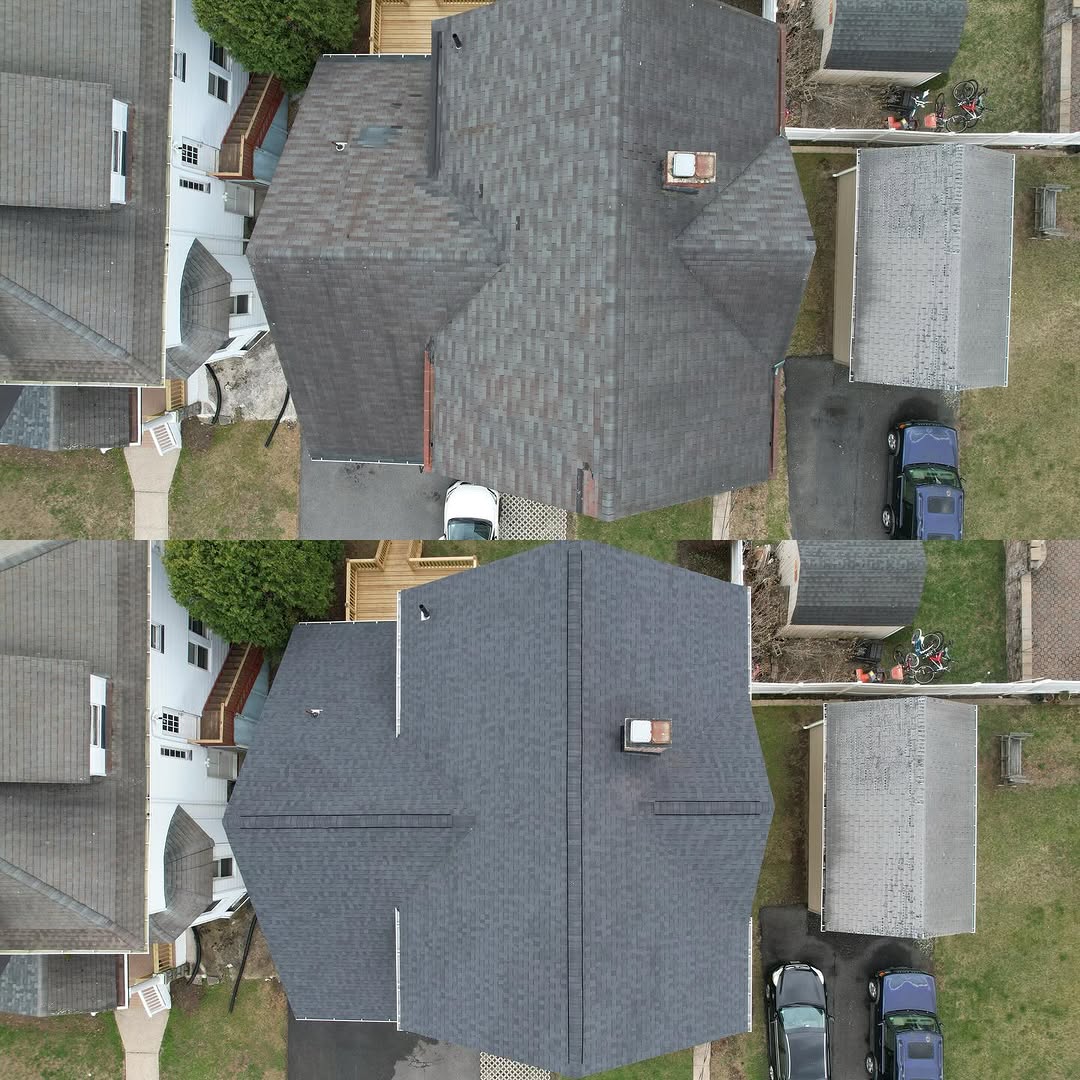
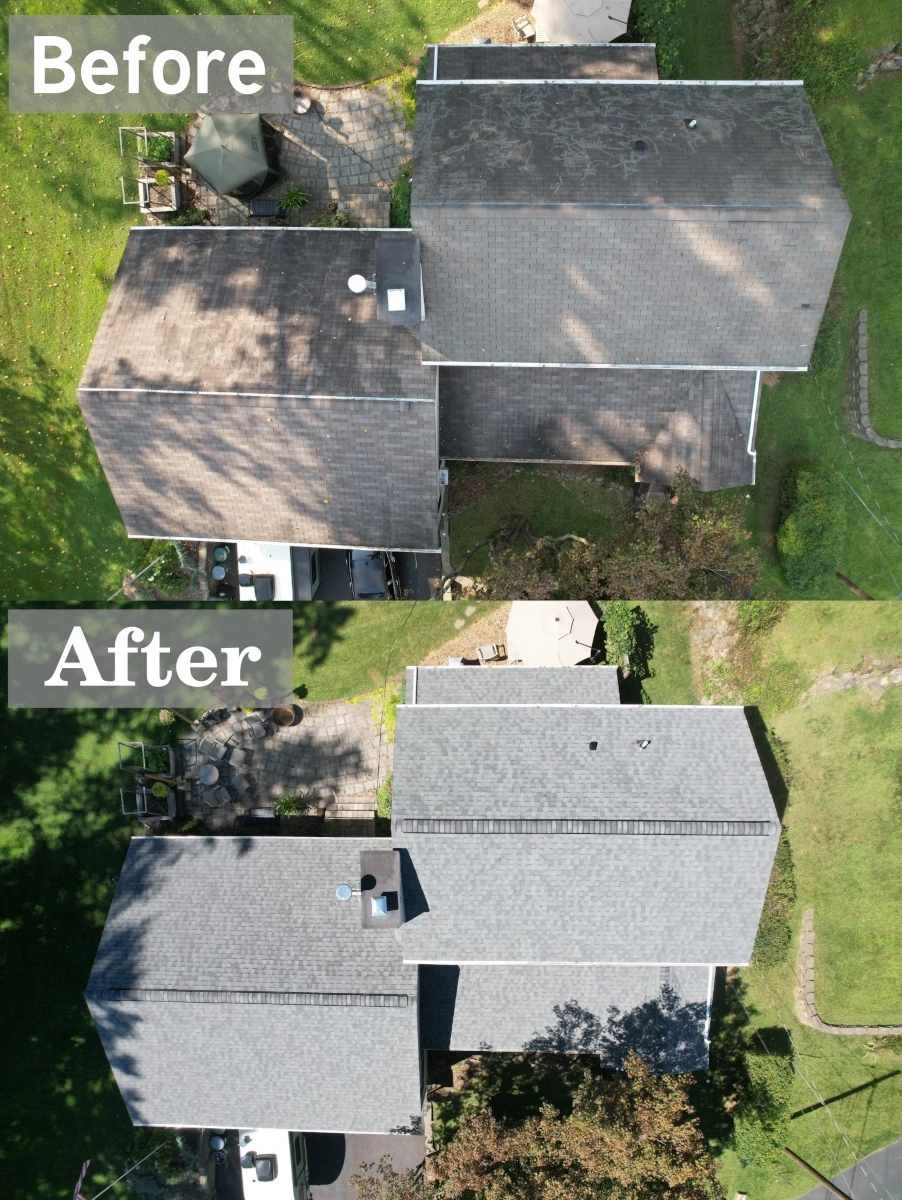
An inspection should help homeowners understand the evidence behind the recommendation. That might include an exterior review of shingles, valleys, flashings, ridges, and penetrations; an attic review when safely accessible; and photographs of findings. Drone imagery can help document roof areas that are difficult to see from the ground, but photographs cannot determine every concealed condition.
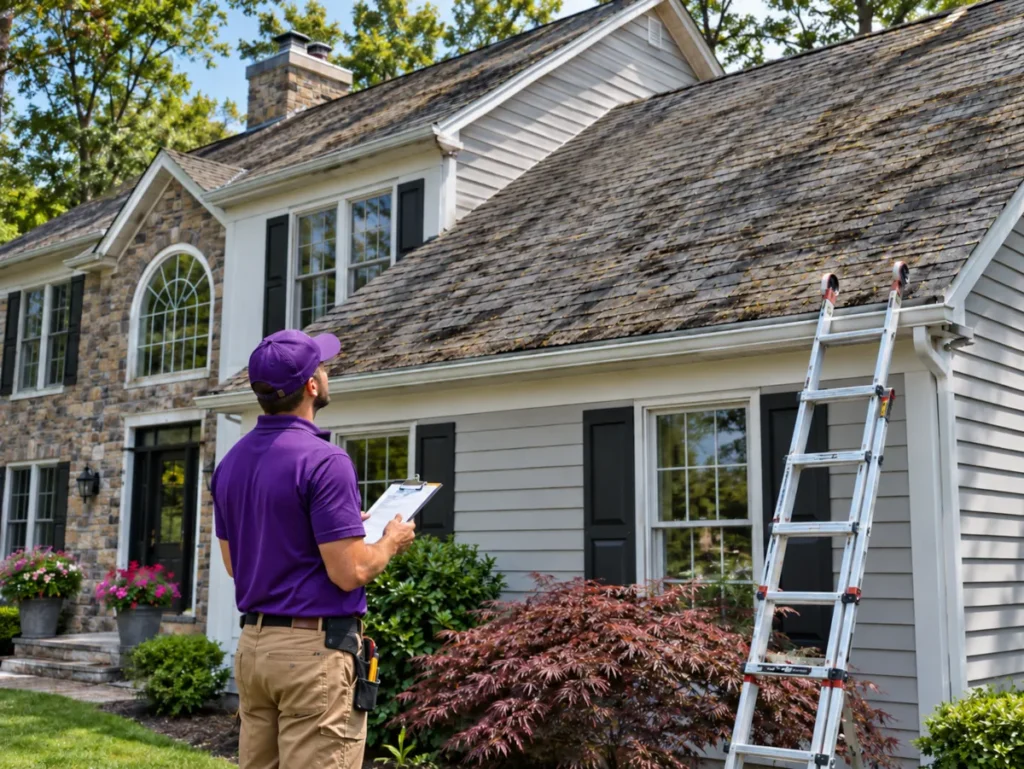
Morris County Roofing and Siding describes a hands-on, inspection-led approach. Homeowners should ask the company to walk through the specific damage observed, which roof areas remain in good condition, and what will happen if the suspected cause is repaired rather than replaced.
Useful questions include whether the problem is isolated, whether the surrounding shingles can be worked on, whether water has affected the decking, and what future problems a proposed repair would or would not prevent. These answers build confidence without pressuring the homeowner into the largest project.
Why Morris County Weather Affects the Decision
Northern New Jersey roofs contend with freezing nights, midwinter thaw periods, strong rainstorms, fallen branches, and periodic heavy snow. Existing gaps may become more consequential when snow sits on a compromised section and slowly melts. Cold weather can also make certain repairs more complicated and weather dependent.
Still, weather is a reason to evaluate an existing concern, not a reason to replace every older roof. A well-maintained, watertight roof may have usable life remaining. The goal is to address known vulnerabilities before they create avoidable interior damage, while preserving roofing that remains sound.
Call Now: 862-391-1619 or Get a Free Estimate Today. Owner responds to all inquiries promptly.
How to Compare the Long-Term Value of Repair and Replacement
Start with the scope and expected durability of the fix. A localized repair that addresses a proven leak in an otherwise healthy roof can be excellent value. A major repair on a roof that already has broad deterioration may be less compelling, even if the proposal looks less expensive than replacement today.
Consider how much service life remains, how many prior repairs have occurred, and whether the homeowner intends to stay in the house. Ask for clear descriptions of the proposed work, materials, exclusions, and what conditions might change the price. Beware of guarantees that a patch will solve every possible leak or that a new roof is always necessary after one leak.
For roofing that is deteriorating across multiple areas, review our roof replacement services. For leaks that appear isolated but need accurate diagnosis, review our roof leak solutions. Each path begins with finding the actual problem.
When the Repair-versus-Replacement Decision Is Unclear
There are legitimate gray areas: an older roof with one newly damaged section, a repairable leak on a roof scheduled for replacement next year, or shingles that show some aging but no ongoing water entry. In those circumstances, the responsible recommendation may include options and tradeoffs rather than one absolute answer.
For example, a temporary, clearly labeled repair may provide time to plan a larger project. That is different from describing a temporary patch as a long-term solution. Likewise, the decision to replace should be supported by evidence of roof-wide condition, not by general warnings that every stain means the entire roof has failed.
Make the Decision Based on Evidence, Not Pressure
You should not have to diagnose your own roof before calling a professional. You should be able to understand the findings afterward. Ask for photos, explanations, the scope of work, and an honest discussion of which options are likely to last.
If you are seeing repeated leaks, widespread shingle wear, or a repair that never seems to hold, Morris County Roofing and Siding can evaluate the condition and discuss the appropriate next step.
Call Now: 862-391-1619. Get a Free Estimate Today. Owner responds to all inquiries promptly.
Frequently Asked Questions
Does one roof leak mean I need a new roof?
No. A single leak may originate at a flashing detail or isolated damaged area. The appropriate solution depends on the cause, surrounding roof condition, and whether a dependable repair is possible.
Can a roof with missing shingles be repaired?
Often. If the damage is confined and the remaining roofing is serviceable, replacement shingles may resolve the problem. Damage across multiple slopes requires broader evaluation.
How important is roof age when deciding to replace?
Age provides context but does not determine the decision by itself. Roof condition, installation, leak history, and repairability also matter.
Do recurring leaks always mean the roof is failing?
Not always. A repeated leak can indicate an unresolved localized defect. Leaks appearing at several unrelated locations make a whole-roof assessment especially important.
What should I ask before signing a roof replacement contract?
Ask why replacement is recommended, which areas are deteriorated, what materials and decking work are included, what could cause changes, and how the contractor will document the work.
Can an attic inspection help identify roofing problems?
Yes. When safely accessible, it can reveal evidence of moisture and potential water pathways that are not apparent from the driveway. Findings should be considered with exterior conditions.
Call Now: 862-391-1619 or Get a Free Estimate Today. Owner responds to all inquiries promptly.
Owner Jonathan Hargadon

As owner of Morris County Roofing and Siding and a proud Rockaway local with over 10 years of industry experience. He personally handles customer calls and estimates, ensuring every homeowner gets honest pricing and quality work. What sets Jonathan apart is his direct approach he answers calls himself, provides estimates, and stays involved from start to finish. Whether it’s a full replacement or a small repair, every project is treated with the same level of care, attention to detail, and commitment to reliable results you can trust.
Latest Blogs by Jon
From Owner to fellow resident thank you for your time!