
Posted :
Modified :
Post-Winter Siding Inspection & Repair Guide for New Jersey Homes
Winter in New Jersey can be brutal on home exteriors. Snow accumulation, ice dams, fluctuating temperatures, high winds, and freeze-thaw cycles all place stress on siding materials. As temperatures rise and the thaw begins, early spring becomes the most important time of year to inspect your siding for hidden damage.
What may appear minor now can evolve into water intrusion, structural rot, mold growth, or costly repairs later in the year.
If you want to protect your home’s exterior and maintain long-term durability, understanding what to inspect and when to repair is critical. Professional siding installation services in New Jersey ensure your home remains protected season after season.
Why the Thawing Period Is Critical for Siding Inspection
Winter damage often remains hidden until temperatures rise. When ice melts, trapped moisture can infiltrate small cracks, seams, or weakened areas in siding systems.
Freeze-thaw cycles are especially damaging because:
- Water expands when frozen
- Expansion widens small cracks
- Repeated cycles weaken fasteners
- Moisture can seep behind siding panels
By early spring, these small issues can turn into warped panels, loose siding, or compromised moisture barriers.
A thorough post-winter inspection helps prevent larger structural problems.
Step 1: Inspect for Water Damage
Water damage is the most common post-winter siding issue in New Jersey homes.
Signs of Water Intrusion
Look for:
- Staining or discoloration
- Bulging or warped siding panels
- Soft spots beneath siding
- Mold or mildew growth
- Interior wall moisture or musty odors
Water damage is often most visible near:
- Window frames
- Rooflines
- Chimneys
- Foundation transitions
- Gutters and downspouts
If water penetrates behind siding, the sheathing and framing may be at risk. Prompt repairs or professional siding installation services can restore your protective barrier.
Step 2: Check for Warped or Buckled Vinyl Siding
Vinyl siding expands and contracts with temperature changes. Extreme cold can make it brittle. When spring heat returns, previously stressed panels may warp or buckle.
What Causes Vinyl Warping?
- Improper installation
- Tight nailing that restricts movement
- Thin, low-quality vinyl
- Heat reflection from windows
- Freeze-thaw stress
Warped siding is more than cosmetic. It creates gaps that allow moisture and pests to enter.
If multiple panels show distortion, replacement with stronger, higher-grade materials may be the best solution.
Step 3: Inspect Fiber Cement for Chipped Paint and Failing Caulk
Fiber cement siding performs well in cold climates but still requires maintenance.
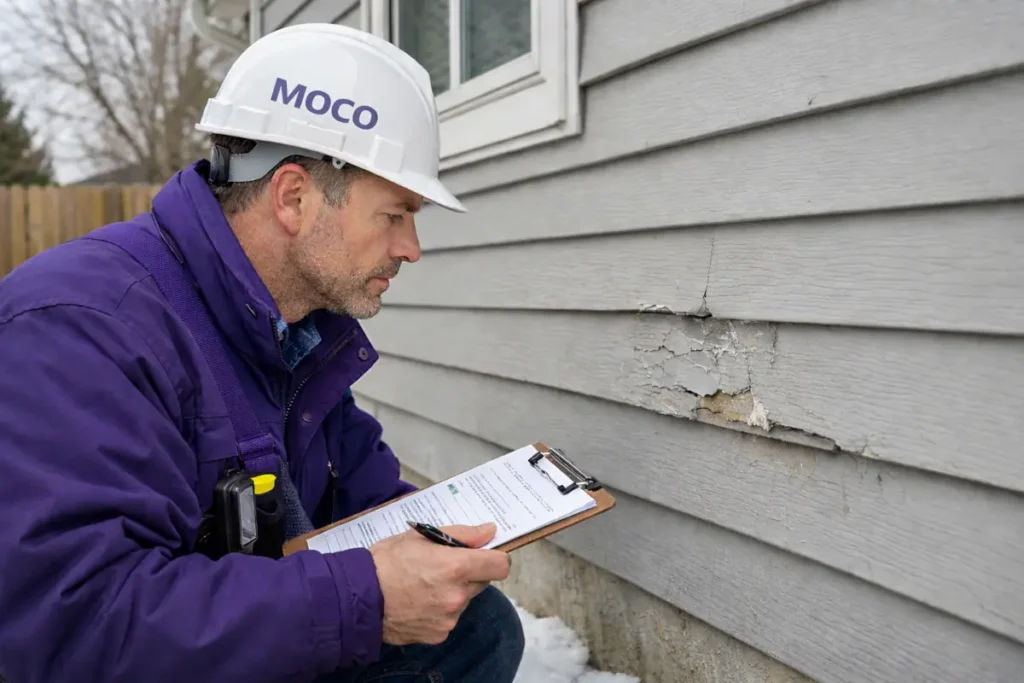
During winter, moisture can settle into micro-cracks in paint or caulking. Once temperatures fluctuate, expansion can cause chipping or separation.
What to Look For
- Peeling or chipped paint
- Cracked caulking around seams
- Gaps at trim joints
- Exposed cement board edges
Even small cracks can allow moisture penetration. Timely resealing protects your siding from deeper deterioration.
Step 4: Examine Trim, Flashing, and Transition Points
Siding does not function independently. Flashing, trim boards, and sealants all contribute to a watertight envelope.
- Post-winter inspections should include:
- Window flashing
- Door trim
- Roof-to-wall intersections
- Corner boards
- Foundation transitions
- Loose flashing is a common culprit of hidden leaks.
If trim boards are rotting or caulking has separated, replacing these elements may be necessary to preserve your siding system.
Explore your options here: Siding Installation Services
The Freeze-Thaw Cycle: Why Home Siding Material Strength Matters
New Jersey’s climate is particularly harsh because temperatures often fluctuate above and below freezing within short periods.
This cycle causes:
- Expansion and contraction stress
- Surface cracking
- Fastener loosening
- Structural fatigue
- Thinner, lower-grade vinyl siding is especially vulnerable.
Avoid Sub-Par Materials: Durability Is Critical
While vinyl siding remains popular, not all vinyl products are equal.
Risks of Thin Vinyl Siding
- Increased cracking in cold weather
- Warping in high heat
- Reduced wind resistance
- Lower impact resistance from hail
- Fading over time
Cheaper materials may reduce upfront costs but increase long-term expenses.
Stronger siding options offer better performance during future freeze-thaw cycles and severe storms.
Better Siding Materials for New Jersey Weather
Homeowners increasingly choose more durable alternatives designed to withstand extreme conditions.
Premium Vinyl Siding
Higher-grade vinyl includes:
- Thicker panels
- Reinforced backing
- Improved UV resistance
- Enhanced wind ratings
These options perform better in fluctuating temperatures.
Engineered Wood Siding
Engineered wood offers:
- Impact resistance
- Moisture resistance
- Improved dimensional stability
- Authentic wood appearance
It withstands freeze-thaw cycles better than thin vinyl.
Fiber Cement Siding
Fiber cement is highly durable and resistant to:
- Moisture
- Rot
- Fire
- Pests
- Extreme temperature changes
While it requires proper sealing and painting maintenance, it performs exceptionally well in New Jersey’s climate.
Professional siding installation in Morris County ensures correct installation techniques to maximize material longevity.
High Wind and Hail Considerations
Winter storms often bring high winds. Strong gusts can loosen siding panels or rip them off entirely.
Hail impacts can:
- Crack brittle vinyl
- Chip fiber cement paint
- Dent aluminum trim
Upgrading to stronger materials reduces vulnerability during future storms.
When Repair Is Enough vs. When Replacement Is Smarter
After inspection, homeowners often wonder whether minor repairs will suffice.
Repair May Be Suitable If:
- Damage is isolated
- Underlying structure is dry
- Panels are still structurally sound
- Caulking simply needs resealing
Replacement May Be Smarter If:
- Multiple panels are warped
- Moisture damage is widespread
- Materials are outdated
- Insulation upgrades are desired
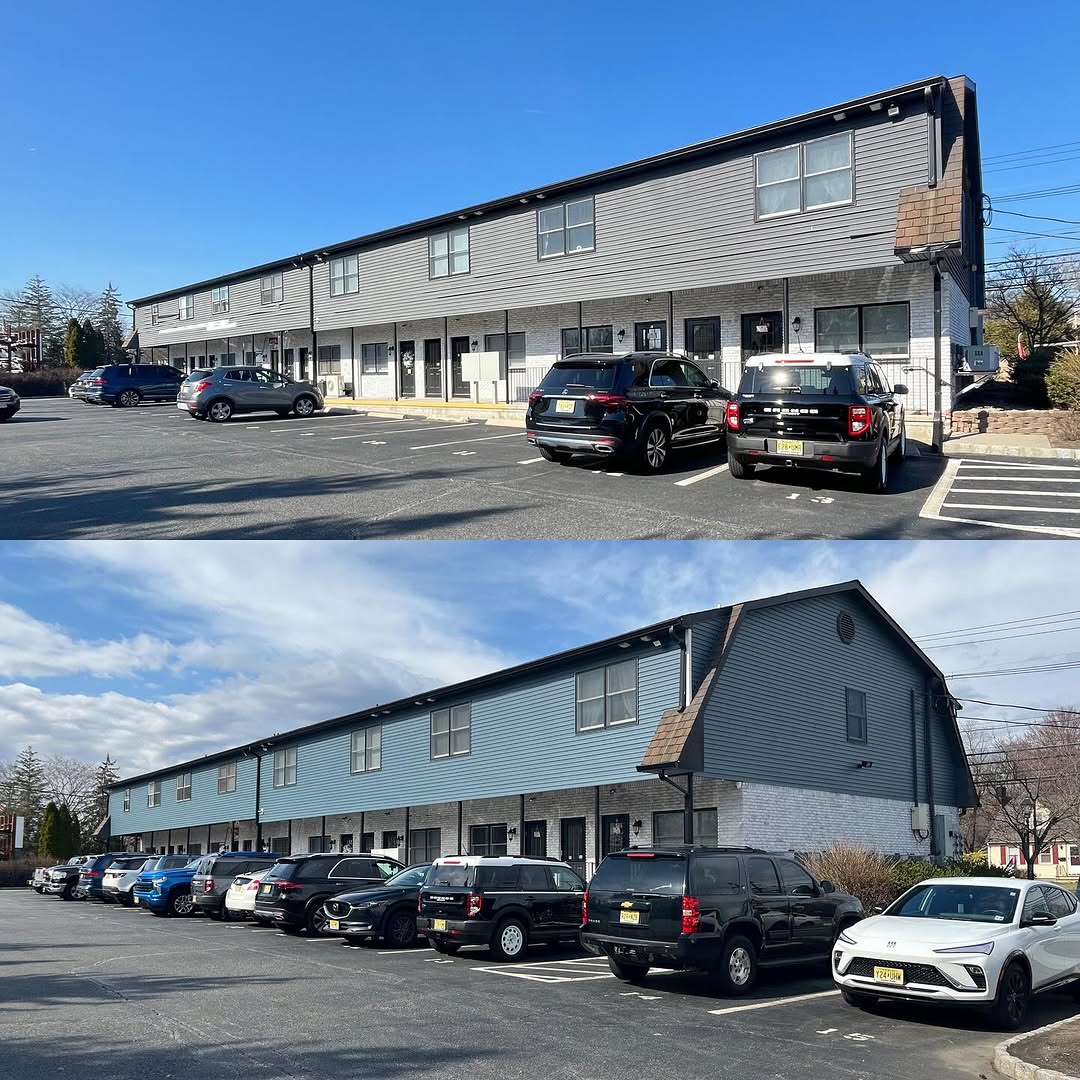
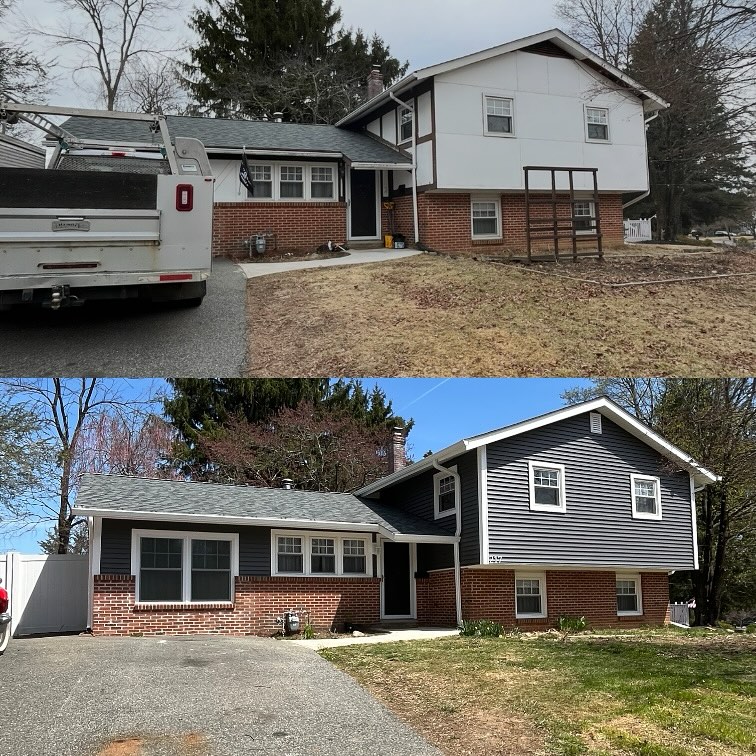
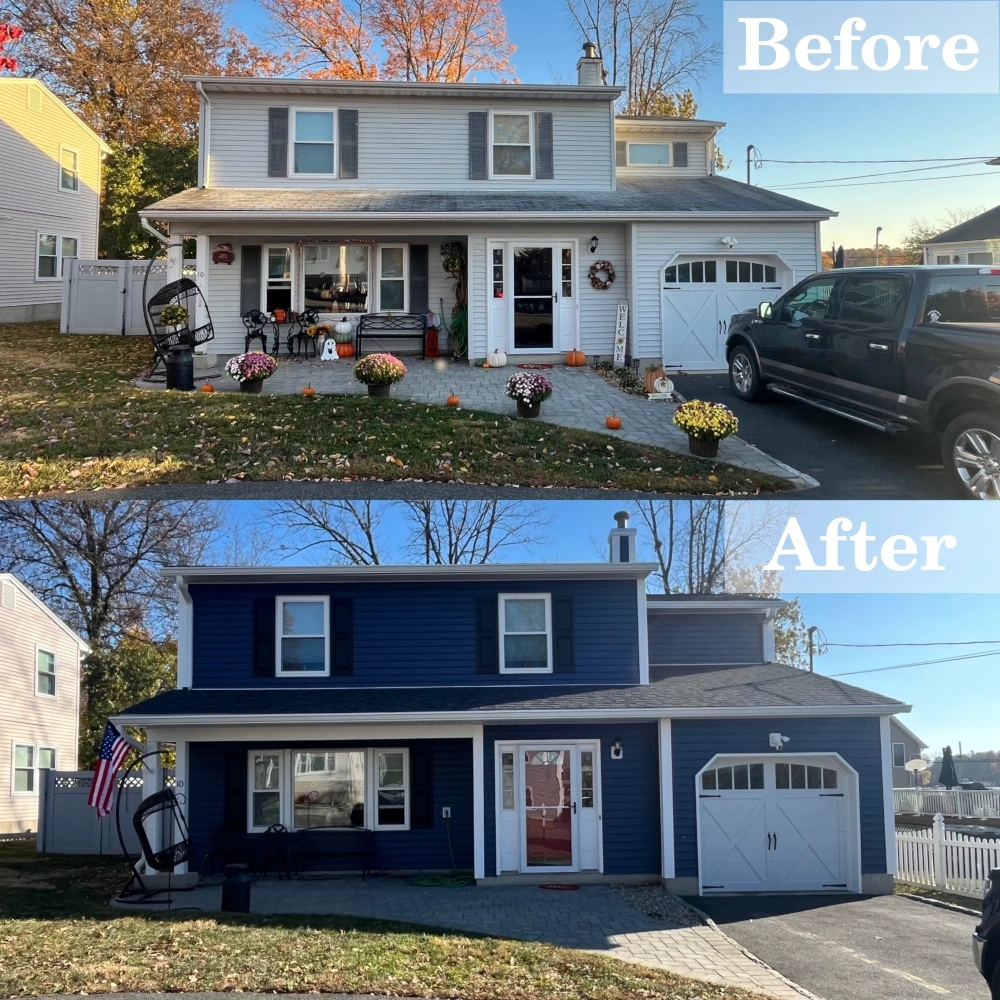
In many cases, replacing aging siding improves both performance and curb appeal.
Explore our home siding options, Siding Installation Services, or request your free estimate today.
Energy Efficiency After Winter
Winter damage often reveals insulation weaknesses.
If your home felt drafty during colder months, your siding system may not be properly sealed.
Upgrading siding during spring allows homeowners to:
- Improve insulation performance
- Reduce heating and cooling costs
- Eliminate drafts
- Improve interior comfort
Modern siding systems often include integrated moisture barriers and insulated backing.
The Importance of Professional Installation
Even the best materials fail when installed incorrectly.
Proper siding installation includes:
- Moisture barrier preparation
- Correct nailing techniques
- Proper expansion allowances
- Flashing integration
- Weatherproof sealing
Improper installation is one of the top causes of premature siding failure.
Choosing experienced professionals for siding installation services ensures long-term durability.
Spring Is the Best Time to Address Siding Issues
Addressing damage early in the season prevents:
- Summer storm exposure
- Further water infiltration
- Increased repair costs
- Mold development
Spring scheduling also allows time for material selection and planning before peak demand.
Protect Your Home Before Next Winter
Post-winter inspections are not just about fixing damage. They are about preparing your home for future weather extremes.
Investing in stronger siding materials today reduces vulnerability next season.
Durable siding protects:
- Structural framing
- Interior walls
- Insulation systems
- Long-term property value
Call us today at 862-391-1619 or request a free quote.



Book your free siding consultation!