
Posted :
Modified :
How Late in the Year Can You Replace a Roof in New Jersey?
If you’re wondering whether it’s too late in the year to schedule a roof replacement, you’re not alone. Many New Jersey homeowners delay roofing projects into the cooler months, often due to budget, scheduling, or life circumstances, only to question whether installation is still feasible.
The good news? You can replace your roof well into fall and even during the early winter months with the right conditions and contractor. This guide breaks down everything you need to know about roofing later in the year: from temperature guidelines to material considerations, timelines, risks, and smart scheduling tips.
Is It Too Late in the Year to Replace a Roof?
Short answer: Not necessarily.
In New Jersey, roofing season typically spans March through December, depending on weather conditions. While spring and summer are peak roofing months, fall and early winter (October – December) are still viable, sometimes even ideal for replacing a roof.
The key factor is temperature and weather stability. Most roofing materials require a minimum ambient temperature of 40°F for proper adhesion and installation. Below that threshold, asphalt shingles become brittle and more difficult to work with.
Why Late-Season Roofing Might Be Right for You
Although it may seem counterintuitive, replacing your roof late in the year can offer several unique benefits:
Faster Scheduling – Fall and early winter are considered the off-peak season for roofers. That means you’ll likely have better availability, faster timelines, and less competition for bookings.
Potential Cost Savings – Some contractors offer off-season discounts or incentives to fill schedules before year-end. This can make roof replacement more affordable without sacrificing quality.
Prevent Winter Damage – If your roof is already damaged, leaking, or nearing the end of its life, waiting until spring could lead to costly moisture intrusion, ice dams, and attic damage. Replacing now prevents that.
Tax Deductions or Financing Advantages – Homeowners completing energy-efficient roof replacements before the end of the tax year may qualify for certain rebates or tax credits.
Weather Risks to Consider
Replacing a roof late in the year requires close attention to weather forecasts. These are the biggest factors that can affect project scheduling and outcomes:
- Rain & Moisture
- Rain or snow mid-project can delay installation
- Underlayment and decking must remain dry to ensure warranty and structural integrity
- Snow & Ice
- Not ideal during active snowfall or icy roof conditions
- May require de-icing or snow removal for safe access
- Safety concerns increase for crews
- Shorter Days
- Less daylight can extend the total project timeline
- Crews may need to start earlier or split installation over more days
How Late Is Too Late to Replace a Roof?
In most of New Jersey, roofing jobs can be completed as late as early January, provided the weather cooperates. However, by mid-January through February, temperatures tend to remain below the safe working range for most materials.
That said, every year is different. A mild winter may allow installations through January. A harsh one may close the window by early December.
If you’re pushing the project late in the year:
- Act quickly to lock in a window of good weather
- Work with a roofer experienced in winter installations
- Monitor long-term forecasts and have a backup plan
How Long Does a Late-Year Roof Replacement Take?
The timeline for replacing a roof regardless of season depends on:
- Roof size and slope
- Material choice
- Existing damage
- Weather cooperation
Average duration:
- 1–2 days for most standard homes
- 3–5 days for larger or more complex roofs
Roofers working in fall/winter may add 1 – 2 extra days to account for shorter daylight and possible weather delays.
What to Expect During the Process
Here’s how a typical late-year roof replacement might look:
- Inspection & Estimate:
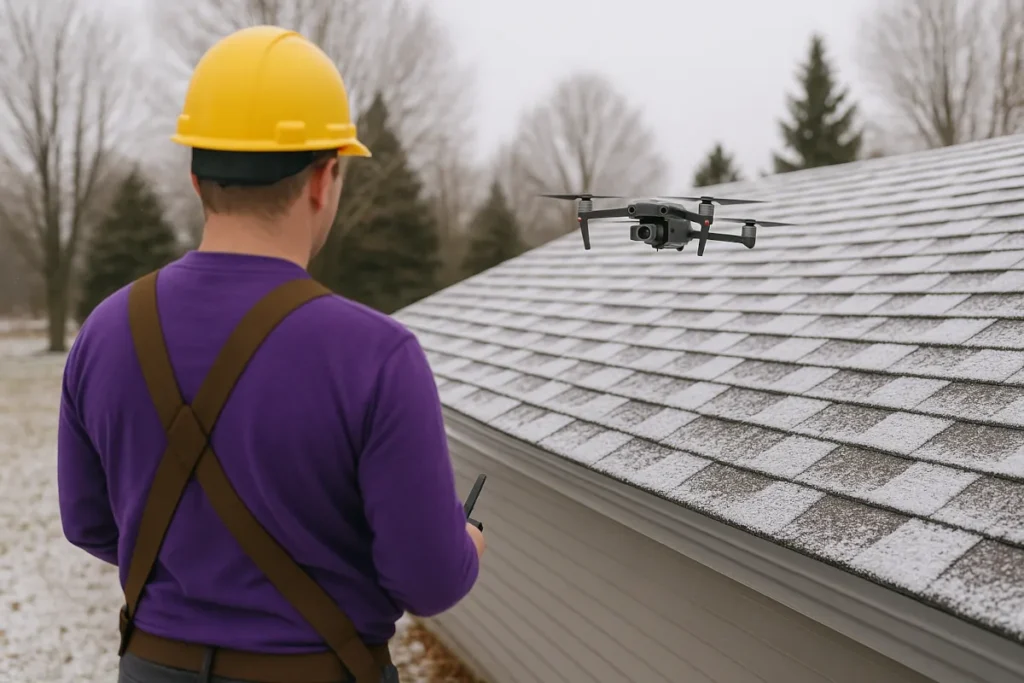
- Schedule a drone + attic inspection to assess current roof condition. Moisture or decking issues must be addressed before winter sets in.
- Material Selection & Scheduling:
- Choose materials best suited for cooler weather. Book installation within a favorable forecast window.
- Installation Day(s):
- The crew removes the old roofing, lays underlayment, repairs any decking issues, and installs the new materials. Safety and cleanliness remain top priorities.
- Post-Install Inspection & Clean-Up:
- Ensure all flashing, venting, and sealants are properly in place. Your roofer should hand-seal any cold-weather shingles if necessary.
- Warranty & Peace of Mind:
- Ensure your new roof comes with both material and workmanship warranties. Late-year installations done correctly are just as durable.
Explore our roof replacement services or call (862) 391-1619 to get started.
FAQs: Replacing a Roof Late in the Year
- Can I replace my roof in November in NJ?
- Yes. November typically offers enough mild days for safe installation — but book early to avoid scheduling crunches and holiday weather changes.
- Is it cheaper to replace a roof in the fall or winter?
- Fall and early winter are often less expensive than peak summer months, due to lower demand and possible off-season discounts.
- Do roofing materials install correctly in cold weather?
- Yes, if installed by experienced professionals. Cold-weather techniques like hand-sealing and using the right fasteners make a big difference.
- Is a roof replacement safe in the winter?
- Safety is always a top priority. Reputable roofers will monitor conditions daily and only proceed when surfaces are clear and safe to work on.
Don’t Wait Too Long – Act Before Winter Hits
Delaying a needed roof replacement until spring might seem easier, but it can come with higher risks and costs. Replacing your roof in late fall or early winter can protect your home through the harshest months while potentially saving you money.
Thinking about roofing before winter arrives?
Explore our roof replacement services or call (862) 391-1619 to get started.


Book your free roofing consultation!